

Parents want to support their children’s growth and development in every way possible. When children have challenges in self-regulation or sensory processing, it can be hard for parents to know how to help. One approach that can make a big difference is occupational therapy (OT).
What is OT, and how can it help your child improve important skills like self-regulation, motor control, and sensory processing? Here’s a guide to understanding OT and some practical activities you can try with your child at home.
What is Occupational Therapy?
Occupational therapy focuses on helping individuals develop or strengthen the skills they need to perform everyday tasks. For kids, OT often targets abilities like fine and gross motor skills, sensory processing, and self-regulation. The goal is to help children participate fully in daily activities such as playing, learning, eating, and self-care skills like showering, brushing teeth, and dressing–boosting their confidence and independence.
How OT Activities Support Your Child
OT activities are designed to enhance a child’s ability to manage sensory input, improve coordination, and regulate emotions. Many children face challenges in these areas, which can affect their behavior, attention, and physical skills.
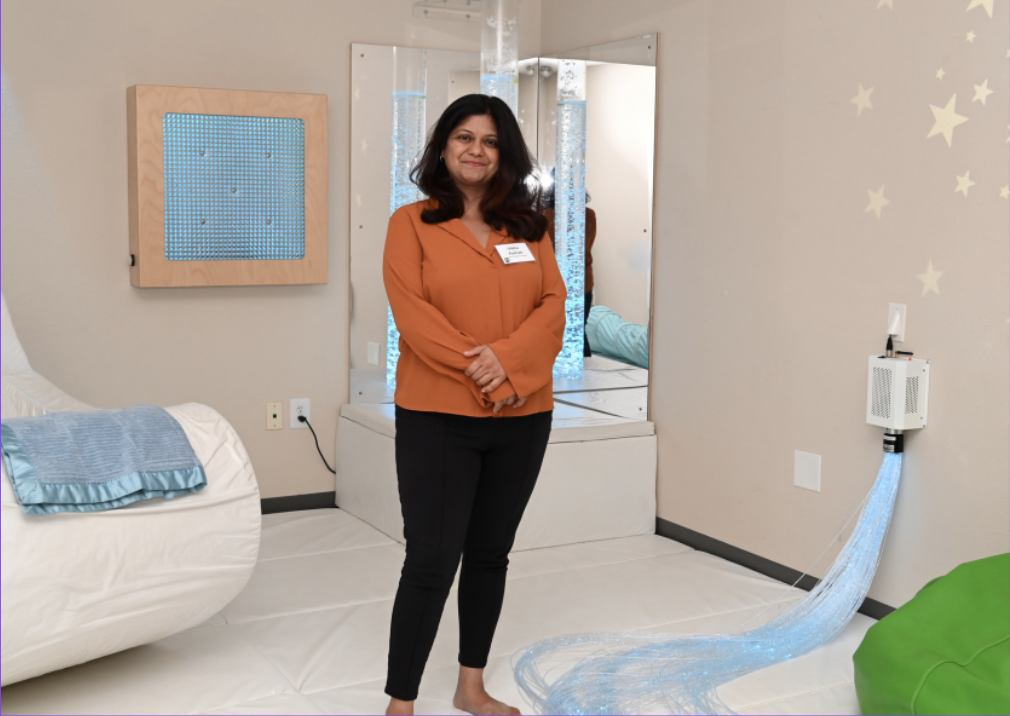
At CHC, we often work with OT clients in our on-site multisensory room, which gives kids an opportunity to control specialized lights, sounds, and movement to work on self-regulation and resilience. Other times we’ll meet with kids in our OT gym, which provides a setting for kids to practice their motor planning, motor strength, and sensory processing skills. When appropriate, we also use adaptive equipment—like pencil grips, adaptive cutlery, and dressing aids—to help kids develop their skills.

These types of work can make a noticeable difference by:
- Improving self-regulation: Helping children calm down, focus, and manage emotions.
- Enhancing motor skills: Developing strength, coordination, and control for tasks like writing, dressing, and playing.
- Supporting sensory processing: Helping children better understand and respond to the sensory information they receive from their environment.

OT activities are designed to enhance a child’s ability to manage sensory input, improve coordination, and regulate emotions. Many children face challenges in these areas, which can affect their behavior, attention, and physical skills.
Practicing OT Activities at Home
Whether you want to support your child’s skills between OT sessions, or are just thinking about getting started with OT, there are many activities that you can do with your child at home.

Sensory and Self-Regulation Activities
Sensory processing and self-regulation are often linked. When a child struggles with sensory input, they may feel overwhelmed or act out. Here are some easy and effective activities you can try:
- Deep pressure activities: Using weighted blankets or pillow squeezes provides comforting pressure that can help calm the nervous system and improve focus.
- Proprioceptive activities: Exercises that work the muscles and joints, like “animal walks” (bear crawls, crab walks) or pushing heavy objects, give your child feedback about body position and movement, which helps with coordination and attention.
- Calming techniques: Teach your child simple breathing exercises or offer fidget tools like stress balls or textured toys to help them stay calm and focused. Try foot grounding, a simple routine used by our occupational therapists, to help regulate your child’s nervous system and build body awareness.
- Sensory bins: Fill containers with rice, sand, or water and add small toys or scoops. This tactile play helps children explore different textures and sensations in a fun and controlled way.
Fine Motor Skill Activities
Fine motor skills involve the small muscles in the hands and fingers and are crucial for activities like writing, buttoning clothes, and using utensils. These activities can strengthen your child’s fine motor control:
- Origami: Folding paper into simple shapes is a fun way to improve dexterity and focus. Here are some of our favorite sources for origami guides you can print at home: National Geographic Kids, Origami.me, Origami Fun.
- Playdough or clay exercises: Pinching, rolling, and molding playdough or clay strengthens hand muscles and improves coordination.
- Finger painting and coloring: These creative activities encourage hand control and allow children to express themselves while developing fine motor skills.
Gross Motor Skill Activities
Gross motor skills involve larger muscle groups used in running, jumping, and climbing. Strengthening these skills improves balance, coordination, and overall physical fitness. Here are some enjoyable ways to practice gross motor skills indoors:
- Indoor obstacle course: Set up a course where your child can crawl under tables, jump over pillows, or balance on cushions. This playful challenge promotes agility and body awareness.
- Yoga: Simple poses like tree pose or downward dog help improve balance, strength, and flexibility, while also encouraging mindfulness and calm.

You may have heard from your child’s pediatrician, teacher or coach that your child might benefit from a visit with an occupational therapist, but you’re still not sure. Read our article to learn the signs that your child may benefit from OT.
Encouraging Consistency and Fun
The key to success with OT activities is consistency—and making them fun! Try to incorporate these activities into your daily routine, adapting them to your child’s unique needs and interests. Celebrate small successes to keep your child motivated and confident.
If you notice ongoing challenges with your child’s sensory processing, motor skills, or self-regulation, consider seeking professional OT guidance. CHC offers evaluations and personalized support—in OT and a range of other therapies–to help your child reach their full potential.
At CHC, we’re here to partner with you in supporting your child’s development every step of the way. Together, we can develop and strengthen a foundation for success for your child. Reach out to learn how we can help support your family.