

Body-Focused Repetitive Behaviors (BFRBs) are repetitive self-grooming behaviors that involve picking, scraping, or pulling at skin, hair, and nails. These behaviors result in harm to the body and are difficult to stop. They can lead to skin infections, bleeding, scarring, and hair loss.
A person may be unaware they are performing the behavior, or they may be very focused on it in the moment. These behaviors can feel compulsive and are often linked with stress and anxiety. They may also bring gratification and relief, which makes them difficult to manage.
BFRBs in Teenagers
In my experience working with many teenagers and young adults, I’ve observed that a teen with a BFRB may spend excessive time in the bathroom or bedroom, tweezing eyebrows, biting nails, or picking at cuticles, skin, or blemishes. They may be attached to tools like tweezers, nippers, or magnifying mirrors. Often, teens try to hide the effects of their BFRB and may worry about others noticing.
More Than a Habit
BFRBs are more than “bad habits.” Because they can cause harm and increase the risk of other mental health challenges, it’s important to get help early so your teen can learn healthy coping skills to manage the emotions and urges that are associated with them.
Ask yourself: Is the behavior causing emotional or physical harm? Is my child having difficulty controlling it? If yes—or if you’re unsure—it may be time to talk to a professional.

Connection to Mental Health
BFRBs are often associated with anxiety, OCD, and depression. For example, if someone is struggling with skin picking and this results in scabbing and scarring on the face, they can experience increased anxiety in social situations or may not want to spend time with friends or go to school. A teen may experience guilt and shame about their ability to control these behaviors, leading to reduced self-esteem, increased anxiety and symptoms of depression.
Treatment and Management
A BFRB may not completely go away, but the good news is they are treatable. With support and intervention, your teen can learn strategies to manage urges and healthier ways to cope with the emotions associated with them. It’s important to be aware that symptoms can ebb and flow depending on life circumstances. Therapy focuses on learning ways to manage urges and developing replacement coping skills, rather than eliminating the behaviors entirely.

BFRBs are more than “bad habits.” Because they can cause harm and increase the risk of other mental health challenges, it’s important to get help early so your teen can learn healthy coping skills to manage the emotions and urges that are associated with them.
BFRBs vs. Self-Harm
In my practice, I am often asked whether BFRBs are considered self-harming behaviors. While there are similarities between the two, there are also important differences. Self-harming behaviors are actions performed to cause physical harm intentionally. These behaviors may include hitting, cutting, or burning one’s body. The goal motivating self-harming behaviors is often to cope with intense emotional pain or emotional numbness. The person may use the sensation of physical pain to provide relief or to control the emotions they are struggling with.

While BFRBs can result in pain and damage to the body, they are not typically performed in order to cause pain or harm. Nor do they typically develop into self-harming behavior. Instead, BFRBs are performed to promote self-regulation or to “fix” a perceived imperfection on the body. For example, a person may find themselves picking more if they are anxious about something–in order to self-regulate–or they may feel a dry patch of skin and begin to pick at it to create a more consistent, smooth texture. In this case, the individual is likely trying to regulate themselves, rather than actively trying to hurt themselves to cope with intense emotional pain.
Talking to Your Teen
As a parent, of course you want to understand what’s going on with your teen and offer them support. When talking with your teen about BFRBs, consider these tips:
- Don’t ask too many questions to try to get them to open up.
- Because BFRBs can be shame-inducing, it is important to approach the conversation with a lot of love and care. Asking multiple questions can make a teen feel like they’re being interrogated, leading to them shutting down.
- You can create a judgement-free, loving and caring space by letting your teen know you are here to talk with them about their BFRB when they are ready.
- Ask how your teen would like you to support them.
- They may ask you to gently point out the behavior to them when you see it to help them with increased awareness.
- They might ask you to hand them fidgets when you see them performing the behavior.
- They may ask you to not mention it.
- They might ask to talk to a professional.
- They could ask that you give them space.
- Focus on progress.
- Highlight their ability to practice skills rather than their appearance. Focusing too much on the behavior itself can induce stress and pressure.
- Talk with your teen about how often you check in about the topic and follow their lead.
- Don’t share information with others without checking with your teen.
- This is personal information and finding out others were told about it can make them feel violated and disrespected. You want to ensure make sure your teen feels their privacy is respected and valued.
Evidence-Based Options for Care
The good news is there are evidence-based treatment options BFRBs. Cognitive Behavioral Therapy, or CBT, is the treatment of choice and helps examine thoughts, feelings, and behaviors and how they influence each other. Medication can also be prescribed to supplement therapy. Helpful resources are available through the TLC Foundation for Body Focused Repetitive Behaviors.

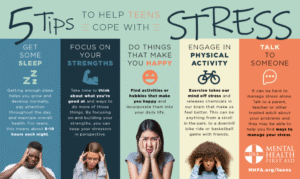
Interested in learning more about coping with stress? In this presentation a CHC expert discusses how chronic stress impacts youth mental health and the ways in which we can support teens’ wellbeing.
Where to Start
A good first step is consulting with a professional. CHC’s care team is here to listen and partner with you in finding the right support for your teen. Whether you’re looking for strategies, therapy options, or simply a safe place to start the conversation, we can help you take the next step with confidence. Reach out to learn how we can support your family.