

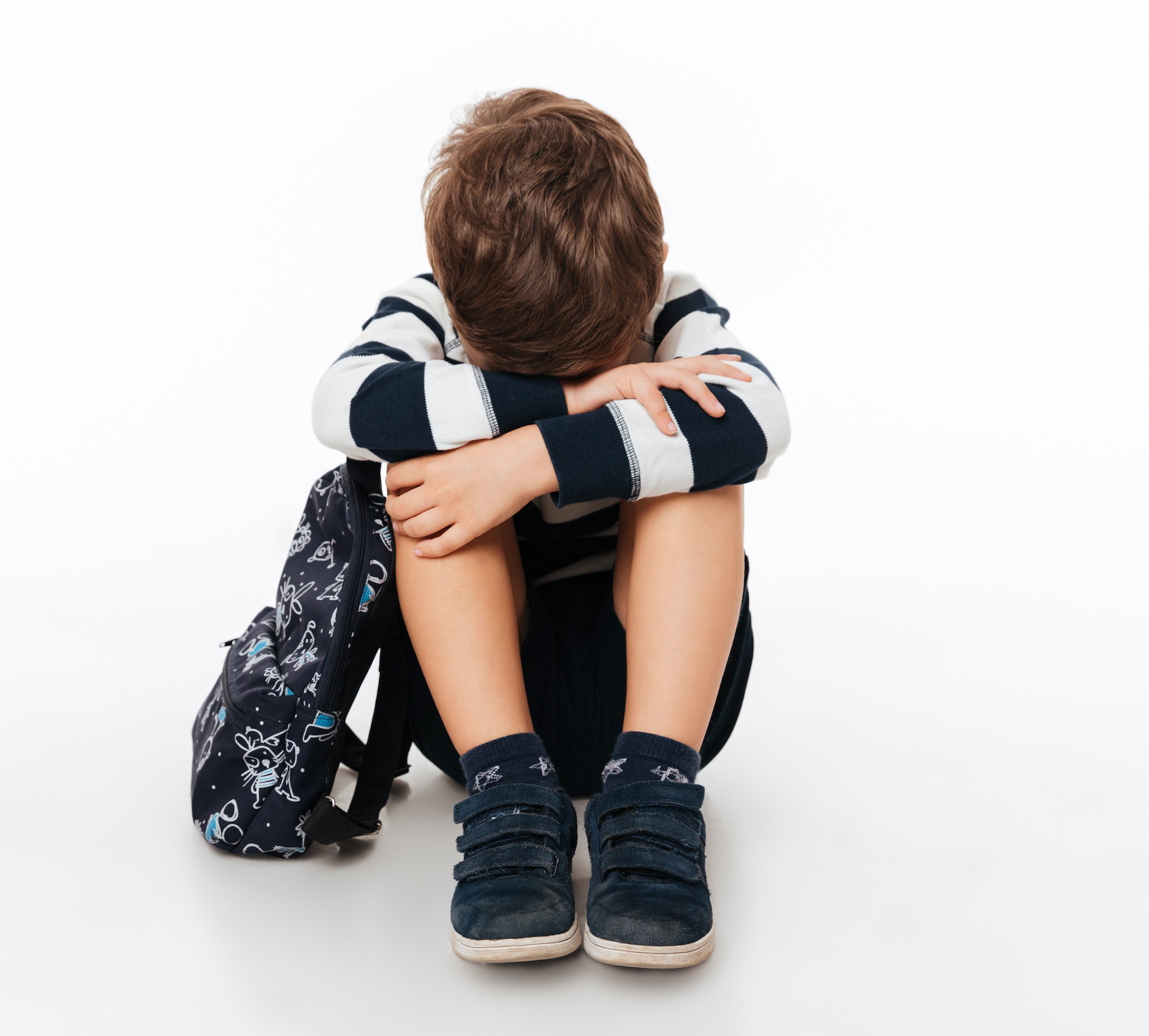
When a traumatic event shakes a community, kids look to teachers for reassurance. This talk by Dr. Pardis Khosravi offers practical tips: understand common reactions like anxiety or clinginess, keep routines steady, and talk openly—silence can make fears worse. The session shares ways to encourage coping, fun activities, and when to seek professional help.
Dr. Khosravi dives into what teachers can do to help students feel safe and supported during tough times.
It starts with understanding what’s normal: anxiety, fear, clinginess, changes in mood or behavior—these are common reactions. The key is to respond with empathy and structure. Teachers can make a big difference by keeping routines consistent, talking openly about what happened (in age-appropriate ways), and gently correcting misinformation. Silence can make things feel even scarier for kids.
Another important point? Take care of yourself first. Kids pick up on adult stress, so practicing self-care isn’t selfish—it’s essential. The presentation also shares practical strategies like encouraging coping skills, fun activities, and social connections, plus knowing when to seek professional help.
Watch the video:
CHC Community Education, December 16, 2025

Trauma is an experience that impacts a student’s ability to cope. Check out this community education presentation for more strategies and tools you can use in your classroom to ensure that each student is healthy, safe and supported.
For more resources, check out CHC’s Resource Library, American Academy of Child & Adolescent Psychiatry and The National Child Traumatic Stress Network.
If you have concerns about a child, CHC is here to help. Contact a Care Coordinator for a free 30-minute consultation.