
Hurtful Emotions: Understanding Self-Harm
People deal with difficult feelings in all sorts of ways. They may talk with friends, go work out, or listen to music. But some people may feel an urge to hurt themselves when distressed. Read more >>


Hurtful Emotions: Understanding Self-Harm
People deal with difficult feelings in all sorts of ways. They may talk with friends, go work out, or listen to music. But some people may feel an urge to hurt themselves when distressed. Read more >>

Autism Spectrum Disorder Tied to Higher Risk for Self-Harm
People with autism spectrum disorder (ASD) are at substantially increased risk of self-injury and suicide, according to a study at Columbia University Mailman School of Public Health and Columbia College of Physicians and Surgeons. Researchers found that the odds of Read more >>
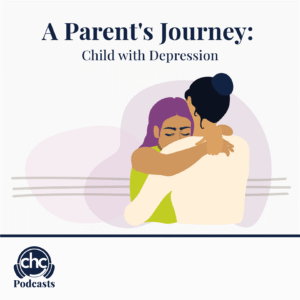
A Parent’s Journey: A Child With Anxiety and Depression
From panic attacks to self-harm, one brave mom shares her story of supporting her daughter with anxiety and depression. When you’re worried about your child, your days revolve around gathering the resources and help that they need. But what about Read more >>

MentalHealthLiteracy.org [web resource]
MentalHealthLiteracy.org is non profit organization that creates educational, training, and clinical care materials and programs designed for use in schools and care settings to promote mental health literacy, clinical care capacity, self-care and psychoeducation, and evaluation of existing programs and Read more >>

How Does Dialectical Behavior Therapy Work?
Written by Jennifer Leydecker, LMFT, Licensed Marriage and Family Therapist Dialectical Behavior Therapy (DBT) combines behavioral science with mindfulness concepts to help people who have difficulty regulating emotions. DBT has been found effective for a range of mental health conditions Read more >>

Self-Harm: Who Is at Risk, Signs, and Treatment
Self-harm is not a mental disorder. It is a behavior – an unhealthy way to cope with strong feelings. Self-harm, or self-injury, is when a person hurts his or her own body on purpose. The injuries may be minor, but Read more >>

Self-injury, particularly among adolescent girls, has become so prevalent so quickly that scientists and therapists are struggling to catch up. About 1 in 5 adolescents report having harmed themselves to soothe emotional pain at least once, according to a review Read more >>
Teen Suicide: What are the Warning Signs? [presentation]
Learn more about risk factors and reasons for suicidal and self-harm behaviors in teens, warning signs, and how to help your teen stay safe. Presented by Stephanie Clarke, PhD and Michele Berk, PhD Asst. Professor Stanford, Department of Psychiatry and Read more >>
Understanding the Foundations of Dialectical Behavior Therapy (DBT) Part I [presentation]
Dr. Stephanie Clarke, Clinical Instructor of Psychiatry and Behavioral Sciences, Stanford University School of Medicine, and clinician at RISE Comprehensive DBT Intensive Outpatient Program shares how DBT’s problem-solving and acceptance-based approaches are helping teens build lives worth living. Read more >>

Just over a year ago, CHC opened its doors to a new Intensive Outpatient Program (IOP) for teens in Palo Alto. Now, in collaboration with Stanford Children’s Health, the program is expanding to serve more adolescents struggling with self-harm, suicidal Read more >>