


Mental Health & Self Harm

Explore this collection

Intended For
Age Group
Resource Type
Content Source

Girls & Mental Health

Recent statistics from the Centers for Disease Control and Prevention reveal a concerning surge in persistent feelings of sadness and hopelessness among high school girls in particular. In just a decade, these numbers have nearly doubled. In today’s episode, we Read more >>
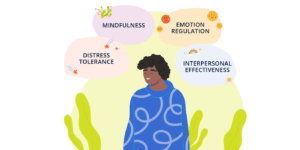

DBT: Acceptance and Change

Studies indicate that Dialectical Behavior Therapy (DBT) is “the best tool we have” for self-harming and suicidal adolescents. So what is it and why is it so effective? DBT teaches important social-emotional and resilience skills for life enhancement. Based on Read more >>

‘The Best Tool We Have’ for Self-Harming and Suicidal Teens

Parents seeking therapy for teenagers who self-harm or suffer from anxiety, depression or suicidal thoughts face an imposing thicket of treatment options and acronyms: cognitive behavioral therapy (C.B.T.), parent management training (P.M.T.), collaborative assessment and management of suicidality (CAMS), acceptance Read more >>

What Is Self-Harm?

It’s hard to imagine, but essential to talk about. While we shudder to think of our teens injuring themselves intentionally, cutting and other forms of self-harm are on the rise, affecting 1 in 12 youth and increasing 99% during the Read more >>

Getting a Handle on Self-Harm

Self-injury, particularly among adolescent girls, has become so prevalent so quickly that scientists and therapists are struggling to catch up. About 1 in 5 adolescents report having harmed themselves to soothe emotional pain at least once, according to a review Read more >>

How to Support Someone Who Self-Harms

Discovering that a friend or relative self-harms can be extremely upsetting. It can be hard to understand why a person would deliberately hurt themselves, and people often go through a range of emotions, like feeling shocked, angry, saddened, confused or Read more >>

Understanding Self-Injury

We all have ways of dealing with overwhelming negative feelings like stress, pressure, and even numbness. If someone deliberately hurts their own body as a way of dealing with their own negative emotions, they are engaging in non-suicidal self-injury, which Read more >>

Self-Harm: A Sign of Emotional Distress

Hurting yourself—or thinking about hurting yourself—is a sign of emotional distress. These uncomfortable emotions may grow more intense if a person continues to use self-harm as a coping mechanism. Learning other ways to tolerate the mental pain will make you Read more >>