
Tips for Teaching Students with Learning Differences
This reference sheet identifies some of the signs of learning differences and provides strategies you can use to help students reach their full potential. Read more >>


Tips for Teaching Students with Learning Differences
This reference sheet identifies some of the signs of learning differences and provides strategies you can use to help students reach their full potential. Read more >>

The Problem with Overcoming: Learning to Value Your Differences
People with learning disabilities and mental health challenges are often implicitly or explicitly taught to overcome their differences. Try harder, push through, fix and succeed. These messages of normalization can lead to shame, a desire to hide our true selves, Read more >>
Learners with Autism: Inclusive Practices for Educators
These inclusive practices are valuable for any class. They are especially important for children with autism. These inclusive practices are valuable for any class. They are especially important for children with autism. Read more >>
Autism & Your Child: Talking to Your Pediatrician
Use this checklist to prepare for a conversation with your pediatrician or specialist. Read more >>

Learning Differences & Me: Knowing My Strengths and Challenges
It’s important to know what your strengths are so you can use them in ways that help you, your friends and family at school and home. Read more >>
Learning Differences & Me: My Perfect Day
It’s important children with learning differences to take time to recognize and celebrate their strengths. Read more >>
Creating a Supportive Learning Environment for Your Students
As an educator, you are in a unique position to positively impact the mental health of your students, especially those with anxiety and anxious tendencies. Read more >>

Living With Anxiety: Tips for Managing Your Own Anxiety
Everything on this list has the potential to lift your mood and get you back on track. Read more >>
ADHD is the most common neurodevelopmental disorder among U.S. children and adolescents, leading to differences in attention, impulsivity, energy and behavior. All of this can be disruptive to a child’s school and learning experience as well as their social-emotional wellbeing. Read more >>
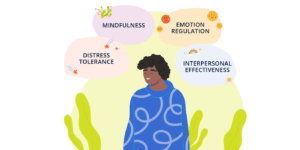
Studies indicate that Dialectical Behavior Therapy (DBT) is “the best tool we have” for self-harming and suicidal adolescents. So what is it and why is it so effective? DBT teaches important social-emotional and resilience skills for life enhancement. Based on Read more >>