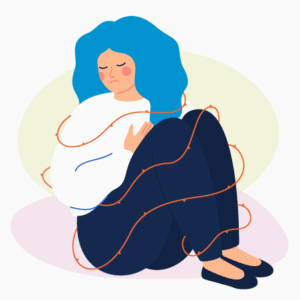
It’s hard to imagine, but essential to talk about. While we shudder to think of our teens injuring themselves intentionally, cutting and other forms of self-harm are on the rise, affecting 1 in 12 youth and increasing 99% during the Read more >>


It’s hard to imagine, but essential to talk about. While we shudder to think of our teens injuring themselves intentionally, cutting and other forms of self-harm are on the rise, affecting 1 in 12 youth and increasing 99% during the Read more >>

Self-injury, particularly among adolescent girls, has become so prevalent so quickly that scientists and therapists are struggling to catch up. About 1 in 5 adolescents report having harmed themselves to soothe emotional pain at least once, according to a review Read more >>

How to Support Someone Who Self-Harms
Discovering that a friend or relative self-harms can be extremely upsetting. It can be hard to understand why a person would deliberately hurt themselves, and people often go through a range of emotions, like feeling shocked, angry, saddened, confused or Read more >>

Self-Injury & Recovery Resources [web resource]
The Self-Injury & Recovery Resources (SIRR) website is part of the Self-Injury & Recovery Resources research program at Cornell University. The website summarizes the research program work and provides links and resources to self injury information. Read more >>

We all have ways of dealing with overwhelming negative feelings like stress, pressure, and even numbness. If someone deliberately hurts their own body as a way of dealing with their own negative emotions, they are engaging in non-suicidal self-injury, which Read more >>

Self-Harm: A Sign of Emotional Distress
Hurting yourself—or thinking about hurting yourself—is a sign of emotional distress. These uncomfortable emotions may grow more intense if a person continues to use self-harm as a coping mechanism. Learning other ways to tolerate the mental pain will make you Read more >>

Hurtful Emotions: Understanding Self-Harm
People deal with difficult feelings in all sorts of ways. They may talk with friends, go work out, or listen to music. But some people may feel an urge to hurt themselves when distressed. Read more >>

Autism Spectrum Disorder Tied to Higher Risk for Self-Harm
People with autism spectrum disorder (ASD) are at substantially increased risk of self-injury and suicide, according to a study at Columbia University Mailman School of Public Health and Columbia College of Physicians and Surgeons. Researchers found that the odds of Read more >>

5 Tips to Silence Your Inner Critic
Everybody has those inner gremlins talking to them, bringing up the worst thoughts, second-guessing their instincts and being generally unkind. Where exactly do those critical voices come from? And why are they so mean? It’s negative self-talk, and no one Read more >>
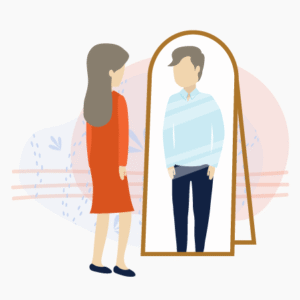
We hear more about gender expression these days than we used to. Yet it’s rare to hear a raw, firsthand account about what it really feels like when your gender identity doesn’t match your biological gender — from shame and Read more >>