
At its core, consent is an idea that many learn as early as preschool — the notion that we should respect one another’s boundaries, in order to be safe, preserve dignity, and build healthy relationships. For middle school or high Read more >>


At its core, consent is an idea that many learn as early as preschool — the notion that we should respect one another’s boundaries, in order to be safe, preserve dignity, and build healthy relationships. For middle school or high Read more >>

National Institute of Mental Health Offers Free Resources for Students and Educators [downloadable]
The National Institute of Mental Health (NIMH) offers a variety of learning resources for students and teachers about mental health and the brain. Whether you want to understand mental health challenges, promote emotional well-being in the classroom, or simply learn Read more >>
Free Activities from Khan Academy Help Kids Learn About Feelings and Emotions
Ease the back-to-school transition with new lessons to help children identify their emotions. Happy or sad? Nervous or excited? Build confidence, self-awareness, and empathy by putting feelings into words. New lessons about BIG feelings Emotions are a big part of Read more >>

Teachers are an important part of establishing and maintaining healthy environments for students to learn and grow. They also play an important role in guiding students suffering from excessive stress to professionals in the building who can be of assistance. Read more >>

Digital Mental Health and Identity Affirmation Tool for LGBTQ+ Youth [web resource]
Hopelab, in collaboration with CenterLink, and It Gets Better Project, created imi, a free, digital, research-backed, mental health and identity affirmation tool. Read more >>

Trans Youth Equality Foundation [web resource]
The Trans Youth Equality Foundation provides education, advocacy and support for transgender, nonbinary and gender non-conforming children and youth and their families. Read more >>

10 Hacks to Boost Teens’ Executive Function Skills and Manage Screen Time
Teens’ focus is interrupted, on average, every 90 seconds. Something as simple as an audible notification can draw focus away from a task. In schools, multiple distractions across the classroom create an almost impossible task of staying on topic and Read more >>

Distracted Students? Understanding These 3 Myths of Attention Span Can Help
How many times per day do you check your phone? According to Gloria Mark, psychologist and author of Attention Span, people swipe from screen to screen about 566 times per day, and about half of those switches are self-motivated, meaning Read more >>

6 Ways Educators Can Bolster Boys’ Social Skills
At a time when rates of loneliness are rising among young adults and researchers report that 15- to 24-year-olds spend nearly 70% less time socializing in-person with friends than they did two decades ago, boys face some distinct challenges. Read more >>
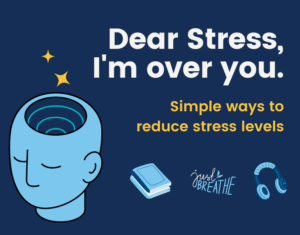
Dear Stress, I’m Over You. [downloadable]
Dear Stress is a resource to help young people manage stress with three easy strategies – available in English and Spanish. This toolkit includes two sizes for sharing as a handout or small poster and includes a slide deck that Read more >>